
Preparing for Extreme Weather and Emergencies This Summer
The Bureau of Meteorology had provided a long-range forecast for December 2024 to February 2025 showing above average rainfall is likely for large parts of eastern Australia and some in the west, central parts rainfall is likely to be within the typical range and an increased chance of unusually high rainfall for parts of eastern and western Australia; warmer than average days and nights are likely to very likely across most of Australia and unusually high minimum temperatures are very likely for much of northern and eastern Australia. For more Overview – Climate Outlooks (bom.gov.au)
It is now time to consider your emergency plans. This means that pet owners from all around the country, including those in the cities and surrounds, should consider their risk and their pet’s risk for heat stress, bushfire as well as flood, and plan accordingly.
Extreme weather conditions can be challenging for everyone, including our pets. Whether it’s scorching heat, freezing cold, or severe storms, it’s essential to ensure your pets are safe and comfortable. Here are some tips to help you prepare your pets for extreme weather.
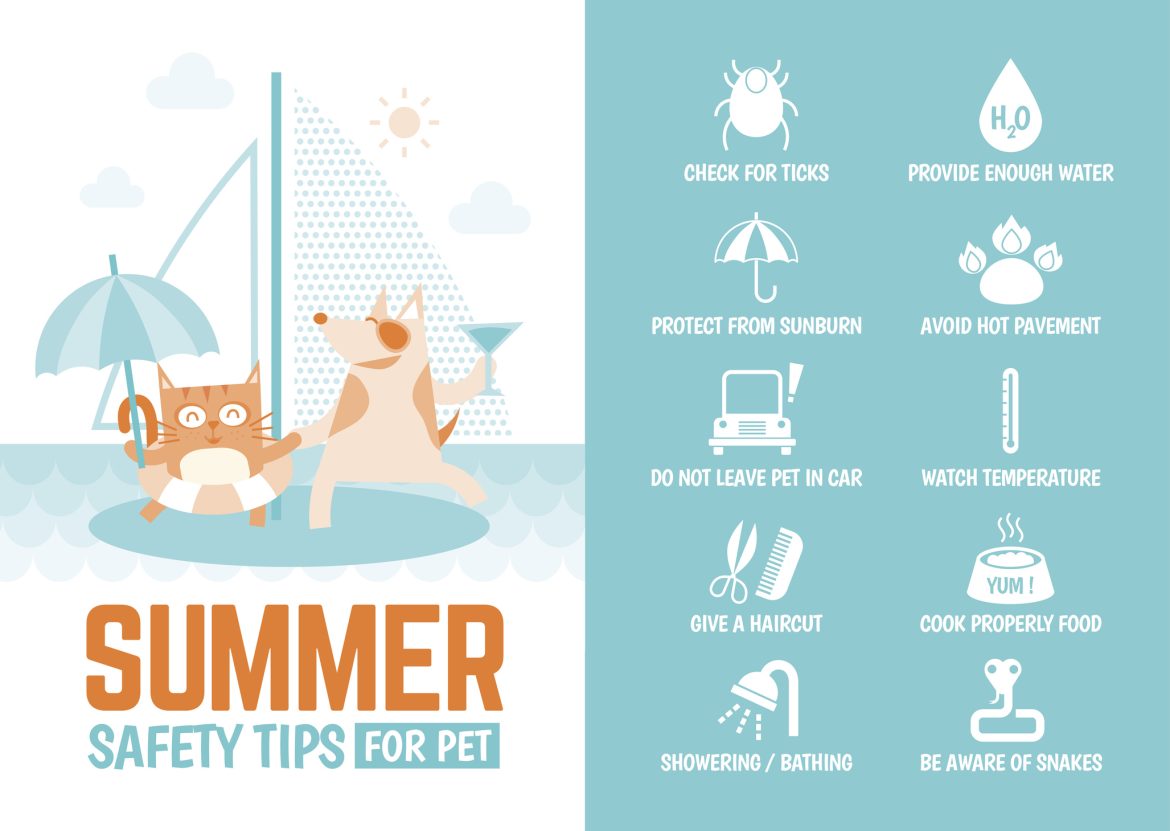
Hydration is Key: Always provide plenty of fresh water. Consider adding ice cubes to keep it cool. You might also consider increasing the wet food portion of your pet’s diet as this provides additional dietary moisture to help keep them hydrated. If you do, ensure you balance out the rest of their diet to avoid over feeding.
Shade and Shelter: Ensure your pets have access to shaded areas and a cool place to rest. Keep pets cool by providing shade, cool surfaces to lie on, fans or air conditioning and always ensure free access to a plentiful and fresh water supply. If you have the space for a dog pool, many dogs love lying in a paddling pool during the heat, just remember to position it in the shade and avoid leaving them outside for extended periods.
Avoid Hot Surfaces: Pavements and sand can get extremely hot and burn your pet’s paws. A pet can get burnt paw pads from walking on a hot pavement or flat surface, so be cautious on hot days. Test
the heat of the ground with your hand before venturing out. Also consider the temperature before heading out on walks; it’s usually best to limit walking to early morning or evenings.
Never Leave Pets in Cars: Temperatures inside a car can rise rapidly, leading to heatstroke or even death.
Create a Safe Space: Designate a safe, quiet area in your home where your pet can retreat during storms. Include their favourite toys and blankets.
Emergency Kit: Include a first aid kit and a pet emergency kit. A pet emergency kit includes food, water, and medications. It is recommended that important documents, such as microchip numbers, and a recent photo of your pet is saved in your phone, should you need them.
Identification: Ensure your pet has up-to-date identification tags.
Stay Calm: Pets can sense your anxiety. Stay calm and provide comfort to help them feel secure.
Know the Signs: Learn to recognize signs of distress in your pets, such as excessive panting, shivering, or hiding.
Plan ahead: Have a plan in place for different types of extreme weather. Know where you can take your pet if you need to evacuate. Your pet also requires a complete and balanced pet food, enough to last for 3-7 days. This will ensure you have enough food to last, with the ability to restock if required. It is essential for pets who are on a specifically formulated diet such as to help manage a medical condition to have access to the same food. Consider if the retailer you usually purchase your pet’s food from will be open. Complete and balanced shelf stable pet food is a concentrated source of nutrition, so is very convenient to store. Keep it sealed in a cool, airtight container. Canned/pouch/tray pet food has a high moisture content, so this will help reduce the amount of water a pet will need to drink (and you need to store) in an emergency.
If you suspect your pet may be suffering from the effects of the heat, seek veterinary advice.
All dogs and cats can be affected by heat stress, however brachycephalic breeds who have a relatively broad, short skull and/or pets that are young, elderly or overweight are particularly susceptible. Brachycephalic dog breeds include the English and French Bulldog, Boxer, Boston Terriers, Shih Tzus, Pekinese, pugs and more. Some cat breeds are also considered brachycephalic, such as the Persian, Himalayan and Exotic Shorthair.
By applying these tips, you can help your pet stay safe and comfortable, no matter the extreme weather.
In sustained disasters such as the 2020 bushfires, relief agencies offered emergency pet food and supplies to owners in need. The pet food was provided by several of the PFIAA’s members.
The following websites provide information to assist you in developing an emergency plan:
- National – RSPCA Caring for your animals during summer: Caring for animals during summer | RSPCA Victoria
- The preparedness and evacuation behaviour of pet owners in emergencies and natural disasters Australian Journal of Emergency Management, Volume 30 Number 2, April 2015 (aidr.org.au)
- VIC – Pets and Bushfires: https://www.cfa.vic.gov.au/plan-prepare/pets-and-bushfires
- Pets in an Emergency: Planning for pets in emergencies | Pets and emergencies | Animal Welfare Victoria | Livestock and animals | Agriculture Victoria
- QLD – Pet Emergency Plan: https://www.qld.gov.au/emergency/dealing-disasters/prepare-for-disasters/prepare-pets
- SA – Pets in Emergencies, Emergency Management Australia Action Guide: https://safecom-files-v8.s3.amazonaws.com/current/docs/pets_in_emergencies_ema_action_guides.pdf
- NSW – Fire safety for Your Pets: https://www.rfs.nsw.gov.au/__data/assets/pdf_file/0006/9429/Fire-Safety-for-your-Pets-Factsheet.pdf
- WA – Hazard Information: Hazard Information – Department of Fire and Emergency Services (dfes.wa.gov.au)
- WA – Pets in crisis Pets in crisis | RSPCA WA
- TAS – RSPCA TAS, Ready, pet, go READY, PET, GO! ⋆ RSPCA Tasmania – Prevent Animal Cruelty | Educate & Advocate
- NT – Pets Pets | Secure NT