
How to Transition Puppy Food to Adult Food
Bringing a puppy home is an exciting chapter in any pet owner’s life — and with it comes the responsibility of making sure they get the right nutrition at every stage of growth. One of the biggest milestones in your puppy’s first year is the dog food transition from nutrient-dense puppy food to balanced adult dog food. Done right, this change helps ensure your dog stays healthy and happy well into adulthood.
How do you transition a puppy to dog food?
Puppies’ digestive systems are sensitive to sudden dietary changes. A gradual transition helps prevent gastrointestinal distress. Experts agree that a 7–14 day transition reduces the likelihood of adverse reactions, while giving your pup time to adjust comfortably
Follow this 7-day guide for a smooth switch:
- Days 1–2: 75% puppy food, 25% adult dog food
- Days 3–4: 50% puppy food, 50% adult dog food
- Days 5–6: 25% puppy food, 75% adult dog food
- Day 7: 100% adult dog food
If your dog shows signs of digestive discomfort (vomiting, diarrhoea, loss of appetite), slow the process down to 10–14 days. If symptoms persists, consult your vet.
When should you switch your puppy to dog food?
The right time depends on your puppy’s breed size and growth rate:
- Small breeds (under 10 kg adult weight): 9–12 months
- Medium breeds (10–25 kg): 12 months
- Large breeds (over 25 kg): 12–18 months
Puppy food is specially formulated with more protein, fat, and calories to support growth. Switching too early may deprive them of these essentials, while switching too late can lead to unnecessary weight gain.
Can you feed a puppy regular dog food?
In short — no, not until they’re ready. Puppies have higher nutritional requirements than adult dogs. Feeding adult dog food too early means your puppy may miss out on key nutrients like DHA (for brain development), calcium, and extra protein. Always follow puppy feeding guidelines provided on the packaging or by your vet.
How many times a day should I feed my puppy?
Feeding frequency changes as your puppy grows:
- 8–12 weeks: 4 meals per day – Young puppies have very small stomachs and extremely high energy needs for growth and development. Frequent meals keep energy levels stable and breaking their daily calorie allowance into four small meals avoids overloading their digestive system.
- 3–6 months: 3 meals per day – By this stage, the stomach can handle a little more food per meal, but energy demands are still high due to rapid growth and activity.Three evenly spaced meals help maintain steady energy without excessive hunger between feedings
- 6–12 months: 2 meals per day – Growth rate begins to slow, and their stomach capacity can now comfortably manage two balanced meals. Feeding twice daily also supports a healthy routine, helps prevent overeating, and reduces the risk of digestive issues like bloat in larger breeds.
Once they’ve transitioned to adult dog food, most dogs do well on two meals a day. This allows them to maintain stable blood sugar, supports digestive health, and can help prevent weight gain from grazing or free-feeding. It also provides predictable times for toileting and training reinforcement.
Should I make the switch to a raw diet for my puppy?
Raw feeding is a growing trend in Australia, but it’s not without risks — especially for puppies. While some owners prefer raw diets for perceived health benefits, puppies have very specific nutritional needs. A poorly balanced raw diet can lead to serious deficiencies or excesses, particularly in calcium and phosphorus.
If you’re considering raw feeding, consult a vet or a pet nutritionist who can guide you on a balanced recipe. Commercial raw options from certified PFIAA members or reputable pet food supplies stores may be safer than home-prepared ones.
What puppy food is recommended by vets?
Most Australian vets recommend choosing complete and balanced puppy food from reputable brands that meet AAFCO (Association of American Feed Control Officials) or FEDIAF(European Pet Food Industry Federation) standards.
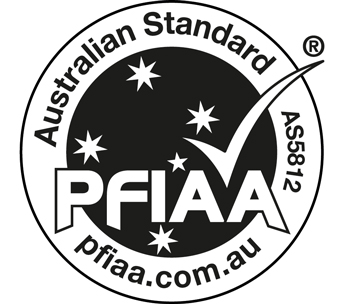
In Australia, the PFIAA Tick of Approval on packaging (shown below) also shows that the pet food brand complies with the Australian Standard AS5812 Manufacturing and marketing of pet food – Cats and dogs. This certification, overseen by the Pet Food Industry Association of Australia, gives owners extra confidence that the product meets strict safety, nutrition, and labelling requirements. More info can be found here.
When choosing the best food for your puppy, consult your vet – they can recommend the best formula for your puppy’s breed, size, and health needs.
Key Takeaways for a Healthy Dog Food Transition
- Make the switch gradually over 7–10 days
- Wait until your puppy has reached the right developmental stage for their breed to switch to adult dog food
- Keep feeding schedules consistent
- Choose vet-recommended brands from trusted pet food supplies
- Avoid rushing into a raw diet without professional advice
By following these steps and sticking to proper puppy feeding guidelines, you’ll help your furry friend move from puppy food to adult dog food without a hitch — setting them up for a lifetime of health and vitality.